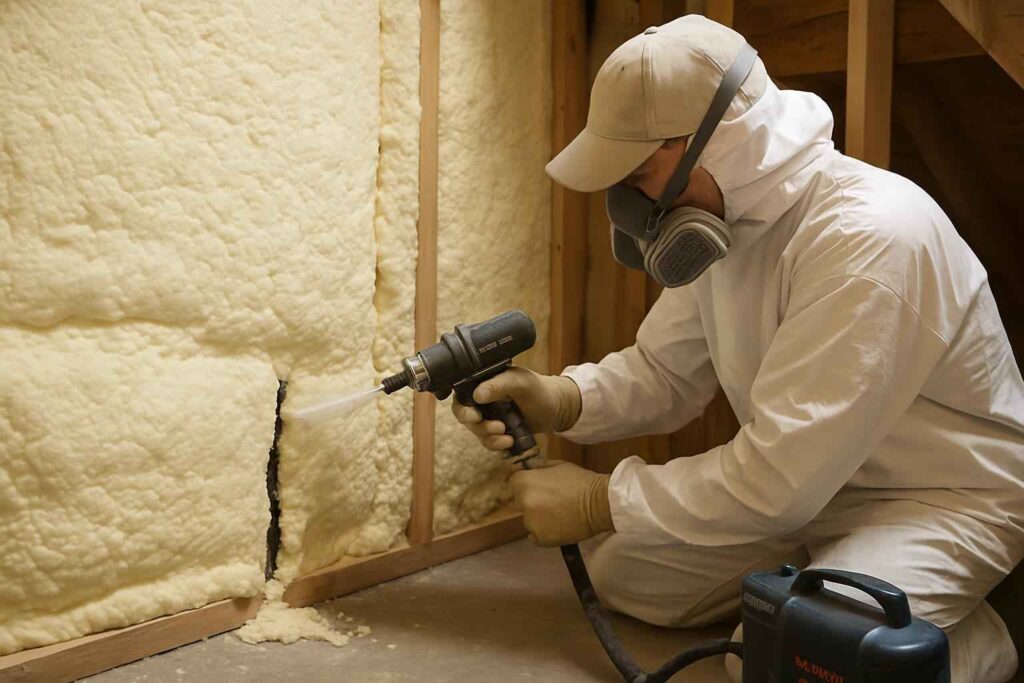
Warehouse spray foam insulation helps commercial buildings in Johnson City TX hold steadier indoor temperatures, reduce air leakage, and protect stored materials from heat, condensation, dust, and drafts. For metal buildings, distribution spaces, shop warehouses, agricultural storage, and industrial work areas, the right foam system can improve the building envelope without leaving the gaps often found around roof decks, wall panels, seams, penetrations, and hard to reach framing. Spray Foam Insulation Near Me installs open cell and closed cell spray foam based on the structure, use of the space, moisture exposure, ventilation plan, and code considerations. The goal is a cleaner, tighter, more efficient warehouse that supports daily operations and helps reduce unnecessary heating and cooling strain.
Contact Us Now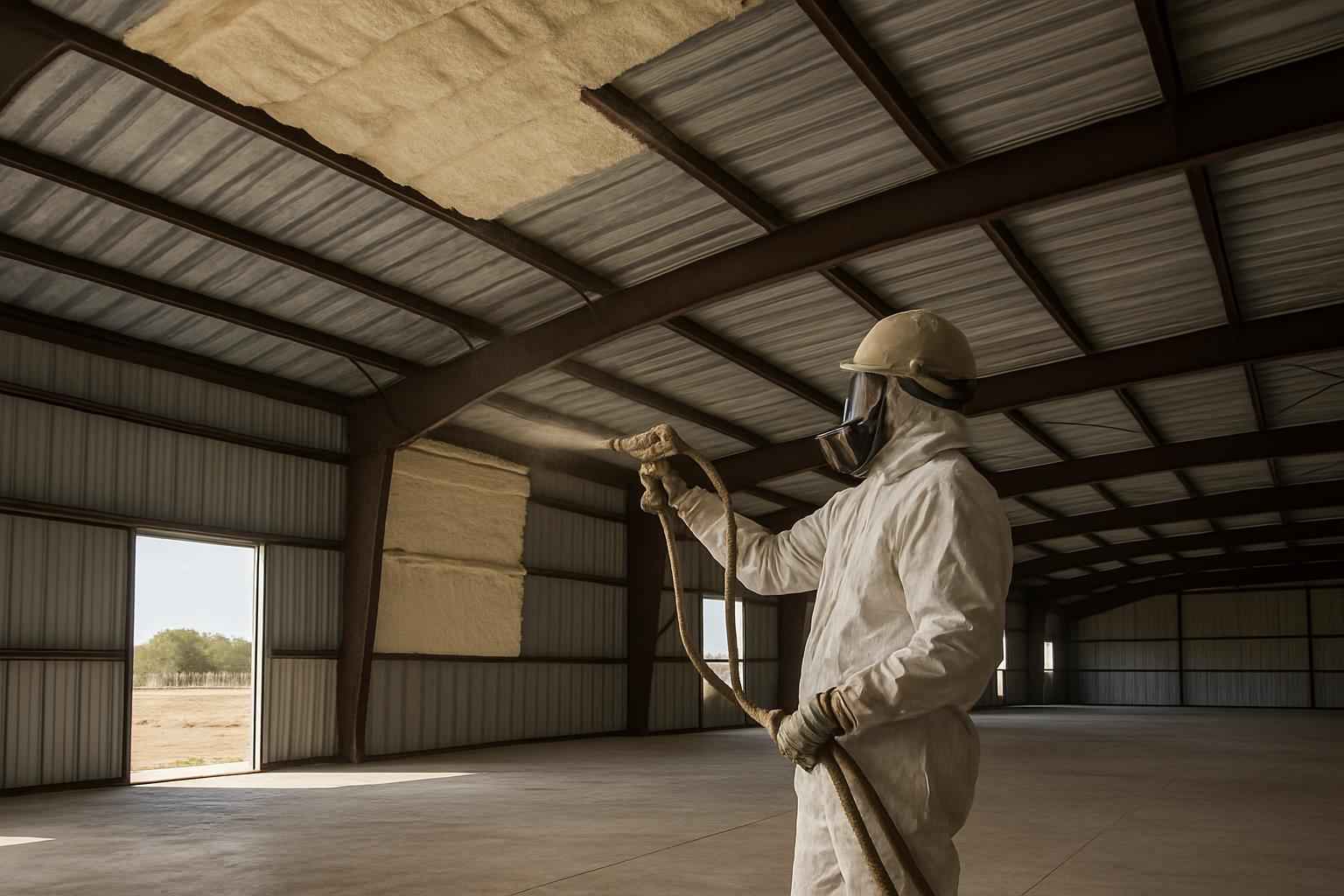
Why Insulate Warehouse Roofs With Spray Foam?
Warehouse roofs often take the heaviest thermal load, especially in wide open buildings with metal panels, exposed roof decks, or limited attic separation. Spray foam can be applied across roofline surfaces to reduce heat transfer, seal small openings, and help limit condensation risk where warm and cool air meet. Closed cell foam is often chosen where added rigidity and moisture resistance are priorities, while open cell foam may fit certain interior roofline applications where sound control and coverage depth matter. Spray Foam Insulation Near Me evaluates roof access, deck material, existing insulation, ventilation, and interior use before recommending a foam approach for warehouse roof insulation in Johnson City TX.
Contact Us NowCommercial Warehouse Wall Foam in Johnson City TX
Warehouse wall insulation matters when exterior panels, masonry, or framed walls allow heat, dust, pests, and humid air to move into the workspace. Spray foam expands into cracks, joints, corners, and irregular wall cavities, creating a continuous layer that supports temperature control and cleaner indoor conditions. This is useful for storage buildings, light manufacturing areas, equipment spaces, and inventory rooms where inconsistent temperatures can affect comfort or materials. Spray Foam Insulation Near Me installs warehouse wall foam with attention to substrate condition, wall height, interior clearances, and areas around doors, pipe penetrations, electrical runs, and framing transitions.
Contact Us Now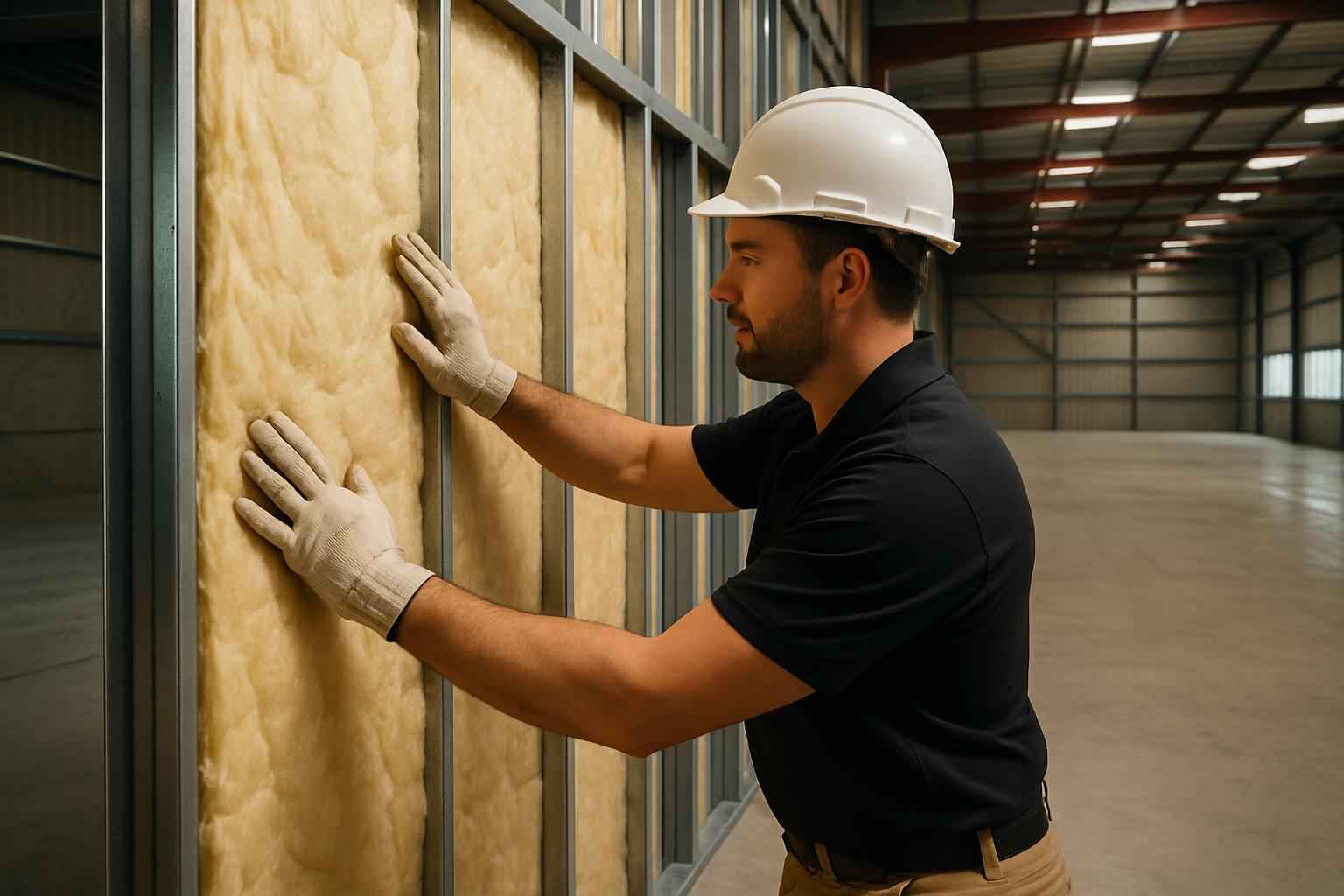

Warehouse Energy Efficiency Upgrades Johnson City TX
Energy efficiency upgrades for warehouses work best when insulation and air sealing are planned together. Spray foam can reduce uncontrolled air movement through rooflines, walls, seams, and penetrations, which helps HVAC systems condition the areas that matter instead of constantly fighting outside air. For a retrofit, Spray Foam Insulation Near Me reviews the current insulation condition, trouble spots, equipment layout, door usage, and building envelope gaps before recommending open cell or closed cell foam. The result is a more practical insulation plan for large commercial spaces, whether the priority is employee comfort, stored goods protection, moisture control, or reduced energy waste.
Contact Us NowWarehouse Air Sealing Contractor in Johnson City TX
Air sealing is one of the most important parts of warehouse spray foam insulation because small openings can add up quickly in large buildings. Gaps around roof seams, wall joints, overhead doors, vents, pipe runs, and service penetrations can pull in hot air, dust, humidity, and outdoor odors. Spray foam fills many of these problem areas while adding insulation value at the same time. Spray Foam Insulation Near Me focuses on practical air sealing that fits the way the warehouse is used, including storage zones, work bays, mechanical areas, and high traffic entry points. A tighter envelope can help stabilize indoor conditions and make the facility easier to manage year round.
Contact Us Now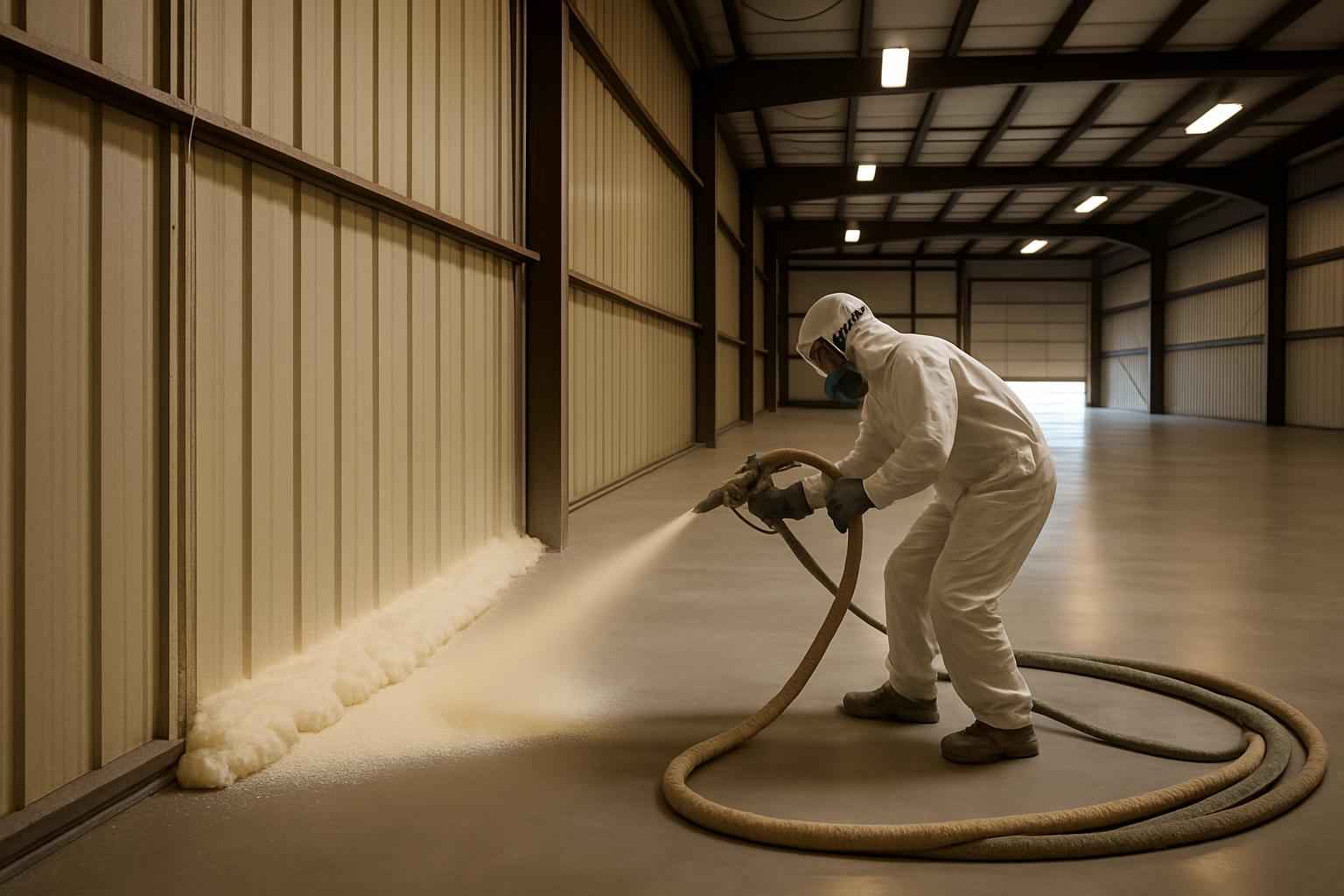

Commercial Thermal Barrier Service in Johnson City TX
Commercial spray foam projects often involve fire safety and code related planning in addition to insulation performance. Depending on the building use, foam type, exposed surface area, and occupancy, a thermal barrier or approved ignition barrier may be required over spray foam. Spray Foam Insulation Near Me helps facility owners understand where protective coatings or coverings may be part of the warehouse insulation plan. The team reviews accessible surfaces, storage areas, work zones, rooflines, and wall assemblies so the installation can support safety, inspection readiness, and long term performance without creating avoidable code concerns.
Contact Us NowWarehouse Spray Foam Repair in Johnson City TX
Warehouse insulation repair can restore performance where foam has been cut, damaged, removed during building changes, or affected by moisture intrusion. Common repair areas include wall penetrations, roofline patches, mechanical upgrades, impact zones, and sections where new doors, vents, or utility lines were added. Spray Foam Insulation Near Me identifies the affected area, checks surrounding foam for adhesion and continuity, and applies targeted spray foam repair where appropriate. Repair work can help renew air sealing, improve thermal control, and extend the value of an existing warehouse spray foam system without replacing sections that are still performing properly.
Contact Us Now
Frequently Asked Questions About Warehouse Spray Foam Insulation in Johnson City TX
Warehouse owners and facility managers often compare insulation types, foam options, code requirements, and repair choices before scheduling a project. These answers explain the practical details behind commercial spray foam insulation for warehouses in Johnson City TX.
What is the biggest benefit of spray foam for a warehouse?
The biggest benefit is that spray foam insulates and air seals at the same time. It expands into gaps and irregular spaces, helping reduce drafts, heat transfer, dust entry, and humidity movement across large roof and wall areas.
Is open cell or closed cell spray foam better for warehouses?
The better choice depends on the building surface, moisture exposure, budget, and performance goals. Closed cell foam is commonly considered for strength and moisture resistance, while open cell foam may be considered for interior applications where sound reduction and broader cavity filling are priorities.
Can spray foam help reduce warehouse cooling strain?
Yes, spray foam can help reduce cooling strain by limiting air leakage and heat transfer through the building envelope. Actual results depend on the building condition, HVAC system, door usage, ventilation, and the areas insulated.
Does spray foam work on metal warehouse buildings?
Yes, spray foam is often used on metal warehouse buildings when the surface is properly evaluated and prepared. It can adhere to metal panels and roof decks, helping reduce air movement and temperature swings inside the structure.
Will spray foam help with warehouse condensation?
Spray foam can help reduce condensation risk when it is used as part of the correct insulation and air sealing plan. Condensation control depends on temperature, humidity, ventilation, surface conditions, and the type of foam selected.
Does warehouse spray foam require a thermal barrier?
Many commercial spray foam installations require a thermal barrier or other approved protection depending on use and exposure. A contractor should review the building layout, occupancy, foam location, and applicable code requirements before installation.
Can damaged warehouse spray foam be repaired?
Yes, damaged spray foam can often be repaired with targeted cleaning, preparation, and new foam application. Repair is commonly used after impact damage, utility changes, roof work, wall modifications, or localized moisture problems.
How is spray foam different from fiberglass insulation?
Spray foam expands and bonds to the surface, while fiberglass is typically installed as batts or loose material that does not air seal by itself. More information about spray foam insulation explains how the material is formed and used in building applications.
Can spray foam be installed in an operating warehouse?
Spray foam may be installed in phases for some operating warehouses, but access, safety, ventilation, curing time, and work zone separation must be planned. The installation schedule should account for inventory, employees, equipment, and business operations.
What areas of a warehouse should be checked first?
The roofline, exterior walls, overhead doors, wall seams, penetrations, and areas around vents or pipes should usually be checked first. These locations are common sources of air leakage, heat gain, and comfort problems in large commercial buildings.
Is spray foam a good option for storage warehouses?
Yes, spray foam can be a good option for storage warehouses that require better temperature stability, dust control, and moisture management. The correct foam type and coverage area should match the materials being stored and the building design.
How long does warehouse spray foam insulation last?
Warehouse spray foam can perform for many years when it is installed correctly and protected from damage, water intrusion, and prolonged exposure that it was not designed to handle. Periodic inspections help identify small repair areas before performance drops.
Can spray foam be added over old insulation?
Sometimes spray foam can be added after old insulation is removed or evaluated, but covering unsuitable material can trap problems. A contractor should inspect the existing insulation for moisture, adhesion issues, contamination, and access before recommending a retrofit plan.
What should be included in a warehouse insulation estimate?
A warehouse insulation estimate should identify the foam type, target areas, approximate coverage, access requirements, preparation work, safety considerations, and any thermal barrier planning. Clear scope details help compare options and reduce confusion before work begins.
Where can I explore warehouse spray foam options?
You can review related service information for warehouse spray foam insulation or contact Spray Foam Insulation Near Me to discuss your Johnson City TX warehouse project. A project review can help determine whether roof foam, wall foam, air sealing, repair, or code related protection should be included.